The Gear I Use Now — Headphones, Monitors, Mics and Interfaces【Studio Interview】
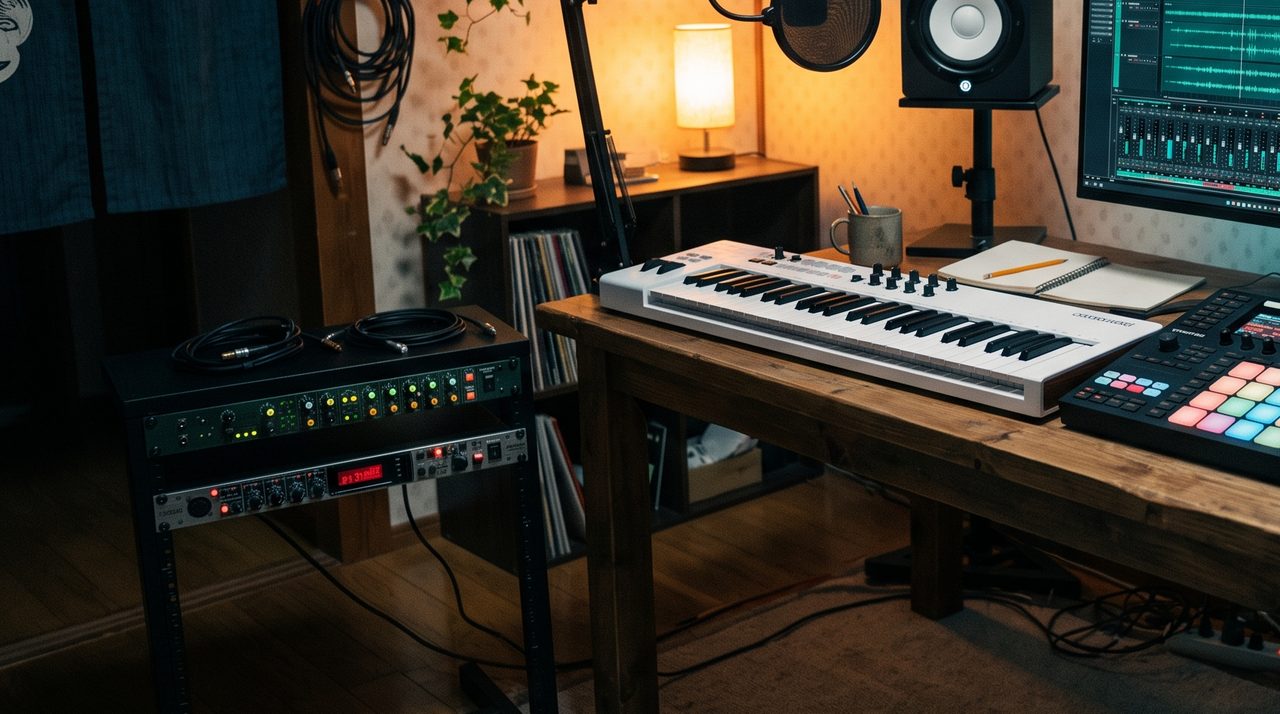
Note: the header is an illustrative image, not a photo of the actual studio.
In Part 1 (DAW + Core Plugins) I talked about Pro Tools and software. This time it’s hardware: headphones, speakers, mics, and a talk box. Everything listed under “gear I use” on the homepage — what I chose each piece on, and how it actually gets used.
Everything here is gear I chose because I think it’s good. I didn’t buy expensive things for the sake of it, and I didn’t buy anything just because it was famous. Each piece has a reason.
Right now a room at my parents’ house is my studio. That’s where I do my mixdowns.
Separately I have an apartment, and that’s where the Maschine 3 Mikro lives. In Part 1 I said I bought the Mikro for the apartment because hauling gear back and forth was a pain — but in practice the roles split cleanly: the apartment is where ideas get made, the studio is where they get finished. In the apartment I work on headphones.
The order goes HDJ-1000 → CD900ST → ATH-M50x.
The HDJ-1000 doubled as my DJ headphones. Being built for DJing, though, the clamping force is high and they aren’t suited to long sessions. During the years I wasn’t DJing I moved to the CD900ST. A lot of people recommended it, so I tried it — but I couldn’t hear the low end well enough, so I dropped it. When I started DJing again I landed on the M50x, which is where I am now.
Writing it out, you can see that whether I was DJing changed how I chose. In the DJ years I bought something that could do both; in the years I wasn’t, the CD900ST was picked purely as a monitor.
Keep the premise in mind: mixdowns happen on speakers, so headphones only really come out when I’m sketching ideas in the apartment. That role is well defined, so I choose to fit it.

I go deeper on the M50x alone in my ATH-M50x review.
The first pair was a hand-me-down from my dad. The model? Honestly, I’ve forgotten. From there I went to my current YAMAHA HS7.
The reason was wanting the YAMAHA NS-10M (“tenmoni”) — those white cones you see in so many studio photos. I wanted a pair for years. But I heard that the HS7 carries that lineage forward and is easier to hear low end on, so I tried those instead.
What made sense of it later: the NS-10M is a sealed design, while the HS7 is a two-way bass-reflex, rated 43Hz–30kHz (-10dB). Yamaha themselves frame the HS line as carrying forward the philosophy of the “iconic white woofer” monitors they’ve built since the 1970s. Same design thinking, low end extended for the modern era.
That one worked out. It’s still where all my mixdown decisions get made.

I covered the chain in Part 1 (Mbox 2 Mini → US-2000 → 003 Rack → SSL2+ → 828). The short version: never enough inputs, but I don’t want to add another box. That tension explains all of it.
The Mbox 2 Mini didn’t have enough inputs, so I bought a mixer to expand it — and having an MTR and a console sitting side by side felt suffocating. So I changed the rule: one unit, with plenty of inputs from the start. The 828 is that answer.
Related: I want every piece of gear to fit in a rack. The 003 Rack, the 828, and the dbx below are all rack units. The mixer and MTR were never on the desk — they sat beside it — but once boxes start lining up side by side, it still feels closed in. A rack lets me stack vertically instead.

I’d always wanted an SSL mixing console — that desk you see in every studio photo. Obviously not something within reach. So when I heard SSL had released an audio interface, I got genuinely excited: I could own a piece of SSL myself.
It just didn’t have enough inputs to be my main, so I moved to the 828. I didn’t get rid of it though — I’m planning to use it in the apartment, and I take it with me when I go to a friend’s place.
It’s desktop-sized, so it travels as-is. Losing the main slot is exactly what gave it a home.

Originally a RODE M3. My main now is the RODE NT2-A.
I bought the NT2-A because a friend who sings comes over sometimes. It didn’t need to be an all-out pro rig, but it had to sound good. What sold me was hearing that it’s inspired by the Neumann U87-Ai, the industry workhorse. That felt like a safe bet, so I went with it.
These days I split by source: the SHURE PGA98H-XLR for sax, an SM58 for the talk box. The NT2-A is my vocal mic — though I do track sax with it now and then.

What got me was hearing it: a friend was tracking through a dbx channel strip, and it was audibly fatter and more forward.
More expensive channel strips exist, obviously. But I confirmed the benefit myself, up close, the price was realistic, and it fits in a rack and takes no desk space. Given my rule about fitting everything in a rack, that last one clinched it.
I use it on sax too, but vocals are the main job.

With some gaps in there, it adds up to about 10 years.
It started with my admiration for Uyama Hiroto’s music. That hypnotic filtered sound, and the saxophone riding on top of it — I fell for it hard. That admiration is what made me buy a sax; and more than anything, saxophone tends to sound fake when you play it from a synth, so it got to the point where I just had to get the real thing.
▶ Reference: Uyama Hiroto — “One Day”
The other half was 491HOUSE, a jazz bar in Motomachi, Yokohama, that I was obsessed with at the time. I badly wanted in on jazz. (491HOUSE closed in February 2021.)
The result: it’s a blast. Being able to put real saxophone into my own tracks turned out to be huge.
To be clear, using a plugin is completely valid — some of them sound genuinely realistic. But making them sound that way takes both setup work and expressive input, which is its own kind of difficult. And live playing has a texture, a breath, an expressiveness to it that I think is honestly remarkable.
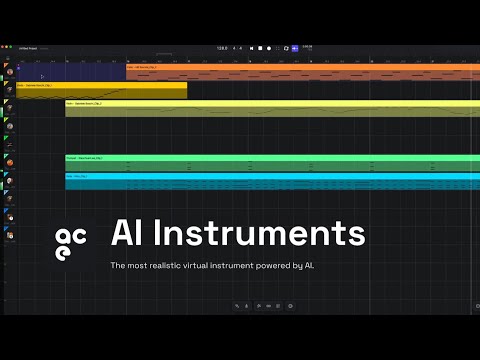
AI instruments have changed a lot in the last few years. ACE STUDIO 2.0 has got to the point where even flat, unedited MIDI comes out sounding human. Saxophone and trumpet included. I covered it in detail separately.
I love Roger and Zapp, but the direct trigger was hearing Strange Fruit Project’s “A Place.” It fit the Jazz Hip Hop / Boom Bap direction I was going for and it sounded incredible. So I bought one. Two or three years ago.
▶ The track that started it: Strange Fruit Project — “A Place” (from From Divine)
It doesn’t come out often, though. I’m still practising. It’s become the piece I reach for when a track calls for exactly that sound.

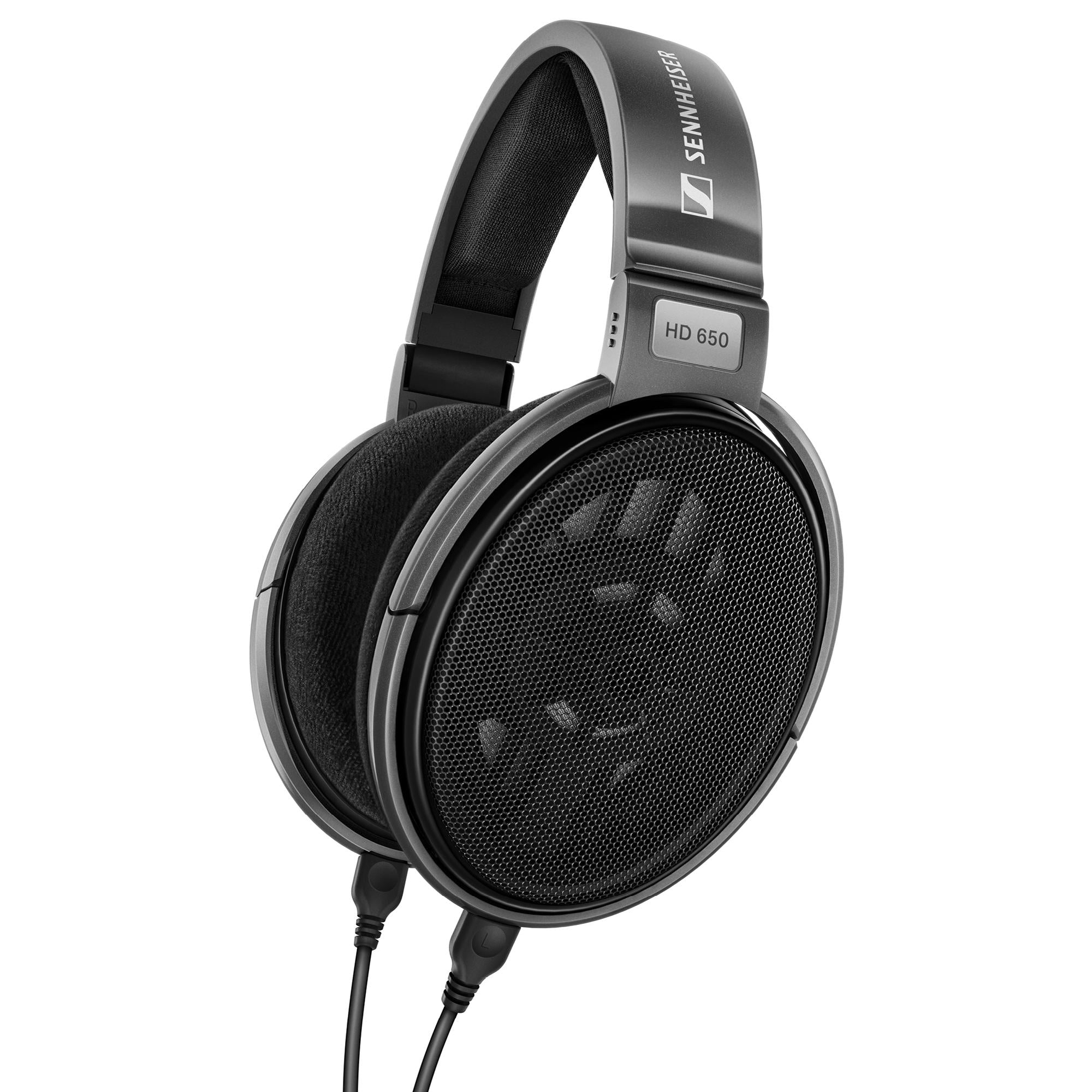
The Sennheiser HD 650. One reason is simply that people who mix for a living rate them highly.
The other is practical: I want to be able to mix down where I can’t set up monitors, and when I’m away from the studio. Right now I have to go back to the room with the speakers to finish anything — I’d like to be able to take that with me.
The HD 650 is an open-back design, and Sennheiser’s own copy says it “reproduces mastering-grade sound independent of room acoustics or loudspeaker positioning” — which is exactly the problem I’m trying to solve. One caveat: at 300 ohms it needs something with real output to drive it.
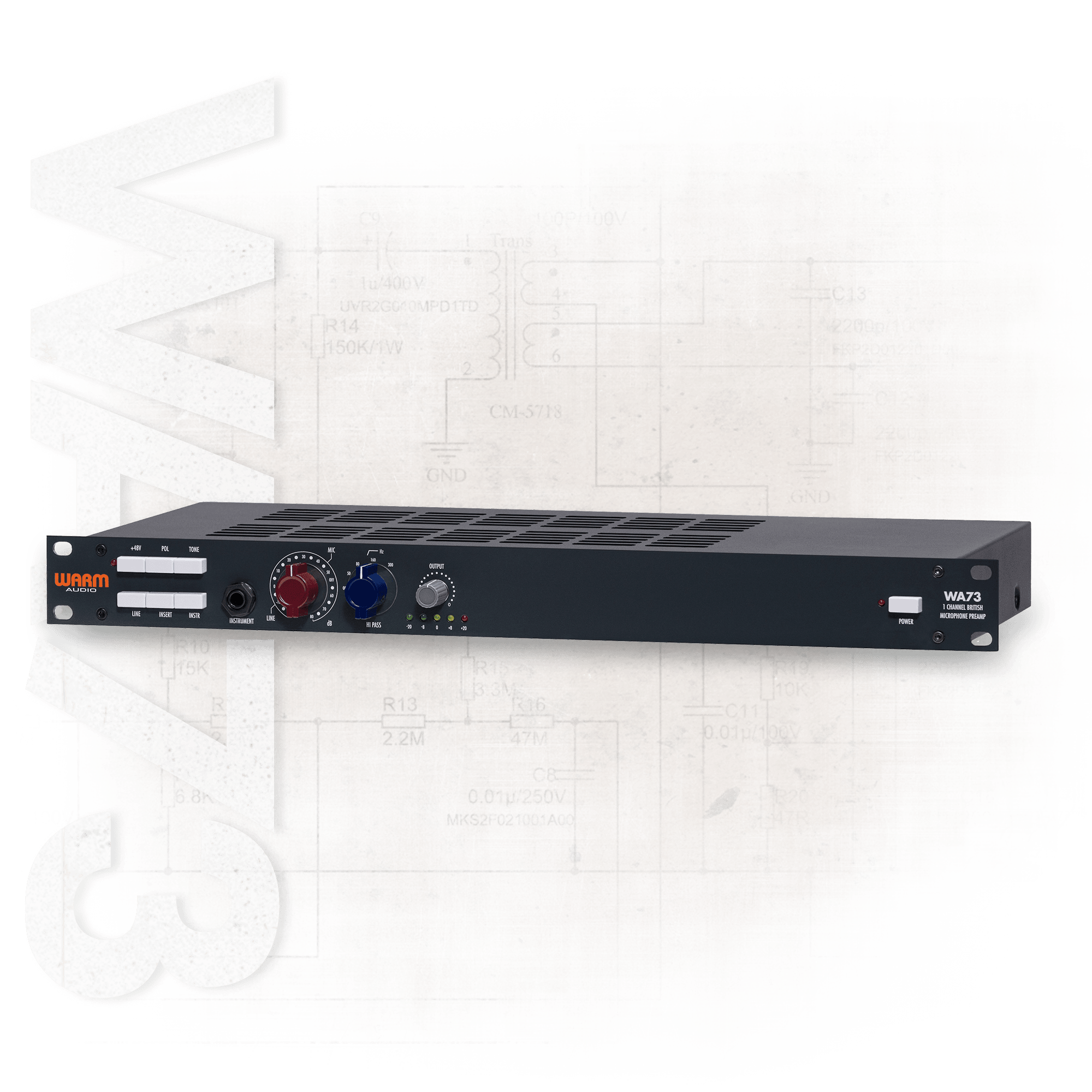
The other thing I want is a Neve-style mic preamp for my mics — either the Warm Audio WA73 or the Golden Age Project PRE-73 Jr MkII. What I’m after is that Neve-style density in the low-mids. The vocal low-mids that feel a little too clean through the dbx — the core of the voice, the chest resonance — I have a feeling they’d turn into something thicker and more present, and I want to hear that for myself. As a bonus, I suspect it might also take a little of the edge off the NT2-A’s slightly strong top end.

Looking back
Laid out together, the things I look at when choosing are fairly consistent: does it fit in a rack, does it have enough inputs, and is its role clear. The HS7, the NT2-A and the 828 were each decided on one of those three.
The ones that worked out best are the ones I could hear for myself first. The dbx 286S I bought after hearing a friend’s tracks through it, and I’ve never second-guessed it. The SSL2+ lost the main slot but found another home because it travels.
The saxophone is less about gear than about me. I started because I wanted real horn in my beats, and with some gaps along the way it adds up to about 10 years. I think plugins can sound realistic too — but the breath and the phrasing of playing it yourself taught me things I couldn’t have learned any other way.
Over 20 years, each piece found its place.
Next is the HD 650 — to turn the apartment from the place where ideas start into the place where they can be finished. That’s the goal for now.